
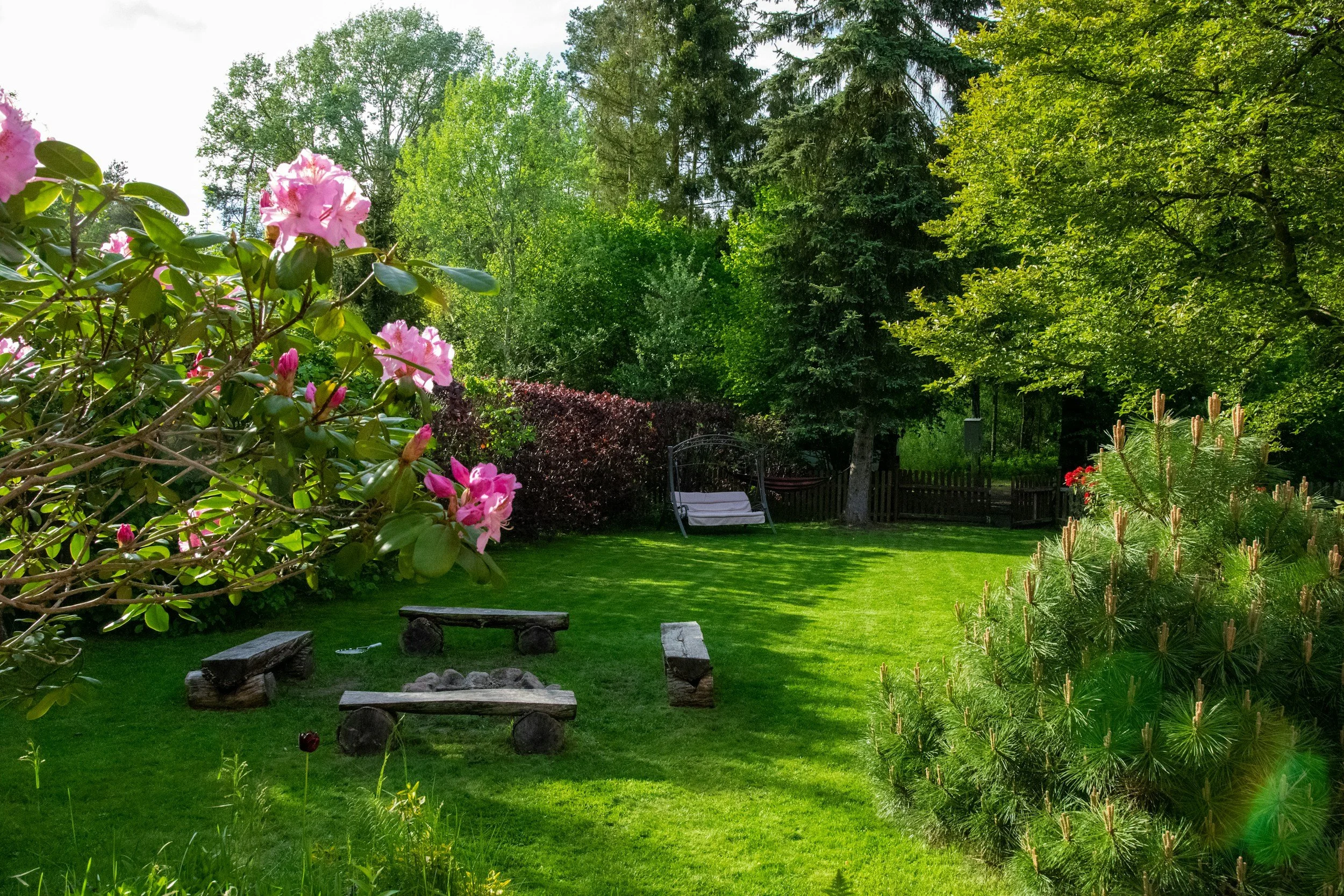
The start of a new year always brings that familiar urge to refresh things around the house. We make resolutions to maybe clean out a closet or vacuum the car more often. Sadly (in our opinion), the yard gets overlooked simply because it feels harder to tackle… especially since the new year begins in the winter. Lawn care can seem confusing when you are not sure where to begin or what actually makes a difference. That’s why we’re here to help!
Most people want a yard that feels healthy and inviting. A place for our kids to play, the dream is that we can host friends. The challenge is knowing which efforts are worth your time and which ones can wait. Add in Ohio’s changing seasons and it becomes even easier to put yard work on the back burner.
Whether you live near Lake Erie (in communities like Avon, Avon Lake, Bay Village, etc...) or a bit further south (in communities like Elyria, North Ridgeville, Grafton, etc), seasonal yard work tends to follow the same rhythm each year. Small steps taken early and often can lead to noticeable improvements without putting Band-Aids on bullet holes in the spring.
The good news is that building better lawn care habits does not require expert knowledge or perfect execution. A few realistic resolutions can help you enjoy your yard more, feel confident trying new things, and decide when bringing in professional help makes sense.
Resolution #1: Start the Year by Clearing Out What Your Lawn Doesn’t Need
That time when winter fades into early spring is one of the most important moments for your yard. Before thinking about fertilizer or growth, it helps to deal with what is already sitting on the surface. Dead grass, fallen branches, and leftover leaves can block sunlight and slow down the growing season before it even starts.
A simple walkthrough of your yard can reveal a lot. Matted grass often means moisture was trapped too long, which can weaken plant roots and invite disease. Clearing debris allows air and light to reach the soil, helping grass roots wake up. Spend a few minutes here and there over the next few months when there isn't snow on the ground (which is rare in Cleveland) cleaning up.
Pay attention to the type of grass you have and how it looks coming out of winter. Dull color, thin spots, or compacted areas are early clues that your lawn care schedule may need adjusting. This is also a good time to check mower blades so they are sharp when mowing begins.
Starting clean makes it easier to maintain your lawn, plan seasonal yard work, and set the stage for healthier growth all year long.
Resolution #2: Understand What Type of Lawn You Have
Every yard has its own personality, and learning to read it makes lawn care far less intimidating. Instead of guessing, take time to notice how your grass responds as the spring season comes around the corner. Color, thickness, and growth patterns can tell you a LOT.
Start by identifying the type of grass in your yard. This article by Grass Outlet goes into detail about a wide variety of grass types. Many lawns in the Northeast Ohio area include cool-season grasses like Kentucky bluegrass, perennial ryegrass, and fine fescue, which wake up early in the year, while others have warm-season grasses like zoysiagrass and bermudagrass that thrive later on. Knowing what you have helps you decide when to water your lawn and when to apply fertilizer so you are not working against nature.
Soil condition also plays a big role in how well the grass roots develop. Areas that stay thin or patchy may benefit from being soil tested, especially if those spots struggle year after year. Healthy soil supports stronger plant roots and allows nutrients to reach where they matter most.
This kind of observation does not require special tools or experience. A few minutes each week is enough to spot trends and adjust your lawn care schedule. Understanding what your lawn needs makes it easier to maintain your lawn with confidence and avoid unnecessary work.
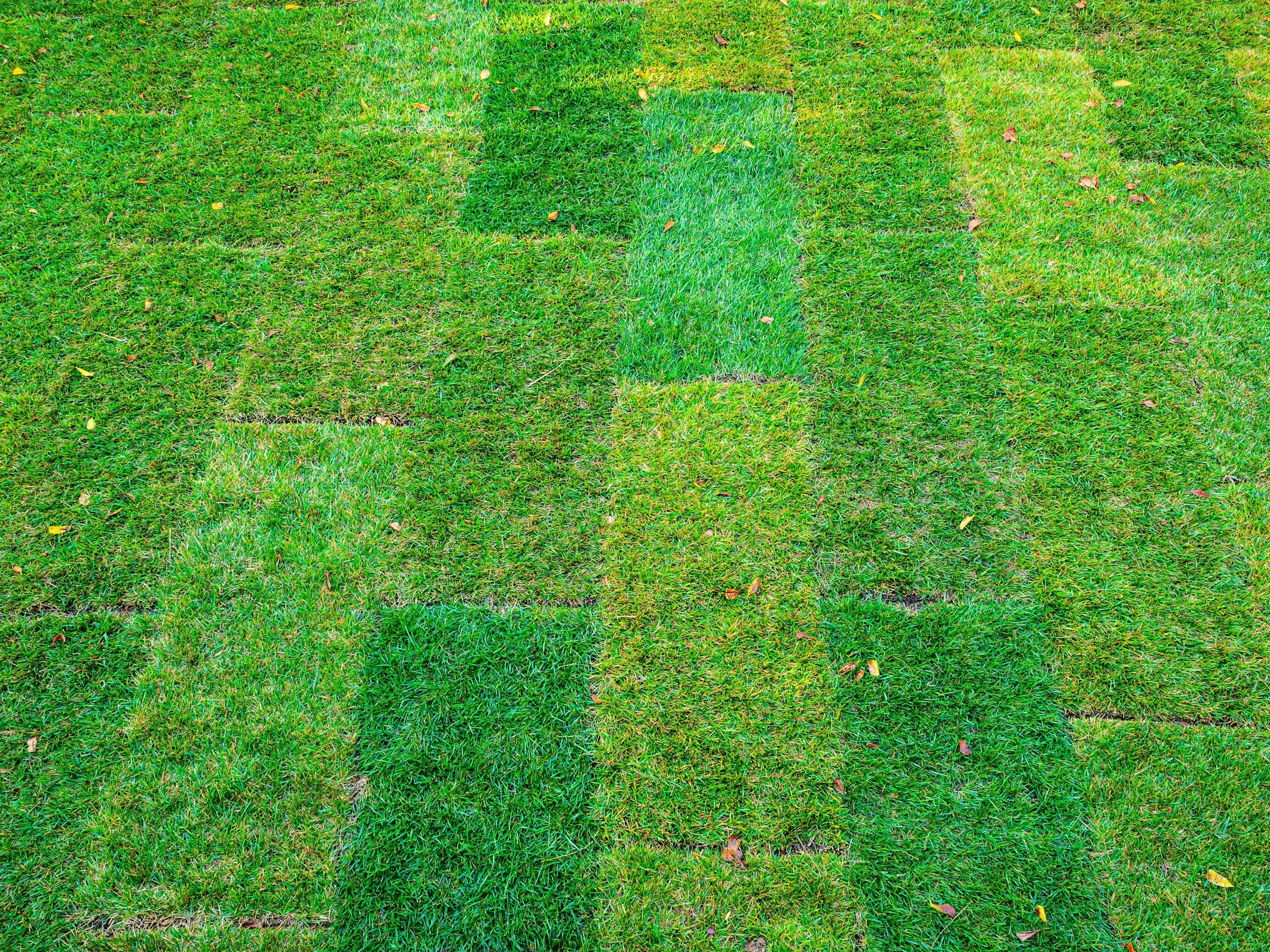
Resolution #3: Make a Seasonal Maintenance Plan
Trying to handle everything at once is one of the fastest ways to burn out on lawn care. A better approach is to let the time of year guide what you focus on. Grass grows differently as seasons change, and working with that rhythm makes seasonal yard work far more manageable.
A simple lawn care schedule does not need to be strict or complicated. It just needs to reflect what your lawn actually needs during each part of the growing season. That also means planning for more than just mowing, since tasks like weed control, aeration, edging, and trimming all play a role in long-term lawn health, as outlined in More Than Just Mowing, A Guide to Lawn Care.
For homeowners in Northeast Ohio and surrounding communities, the basics often look like this:
Early spring: Clear debris, assess winter damage, and prepare mower blades for the season ahead.
Late spring: Focus on steady growth, proper mowing height, and watching how your grass responds as temperatures rise.
Summer: Maintain consistent watering habits and monitor stressed areas during heat and dry spells.
Fall: Support recovery, strengthen the grass roots, and prepare the lawn for colder weather.
This kind of structure makes it easier to maintain your lawn without feeling overwhelmed. Instead of guessing, you always know what deserves attention next. Over time, following a seasonal plan builds confidence and helps lawn care feel like a routine rather than a chore.
Resolution #4: Handle the Small Problems Now
One of the easiest ways to maintain your lawn is to notice changes early, before they turn into bigger issues. Weeds, thinning areas, and stressed grass rarely show up all at once. They usually start small and become harder to manage when they go unnoticed.
As the season moves forward, take time to look for patches of dead grass or areas that stop growing evenly. These spots can point to compacted soil, shallow grass roots, or watering habits that need adjusting. Even small changes to how and when you water your lawn can improve growth and help prevent long-term damage.
This is also when many homeowners consider whether it is time to apply fertilizer. Timing matters, especially when protecting plant roots and avoiding waste. The EPA’s WaterSense outdoor watering guidance offers helpful information on responsible watering practices that support healthier lawns while conserving water.
Spending a few minutes checking your yard each week helps prevent small issues from spreading. It also makes seasonal yard work feel more manageable and keeps lawn care from turning into a rushed project later in the growing season.
Resolution #5: Build Strong Roots by Focusing Below the Surface
Grass roots and plant roots need nutrients and moisture to grow deep and strong. When roots are shallow, grass struggles during heat, heavy rain, or dry stretches later in the growing season.
One achievable resolution is to focus on improving root health throughout the year. This can start with proper watering habits that encourage roots to grow deeper rather than staying near the surface. Occasional aeration also helps loosen compacted soil so water and nutrients can reach where they are needed.
Another helpful step is making sure fertilizer is applied at the right time of year for your type of grass. When nutrients match the season, roots develop more evenly and the lawn becomes easier to maintain over time.
Focusing on what is happening below the surface leads to visible improvements above it. Thicker growth, better color, and fewer problem spots all come from strong roots. Whether handled on your own or with support, this resolution creates lasting results that carry from one season to the next.
Small Changes Add Up Over Time
A healthier yard comes from small steps taken at the right time of year. You do not have to tackle everything at once for lawn care to make a real difference. Clearing buildup, paying attention to soil and grass health, and following a simple seasonal yard work plan can lead to steady improvements as the growing season moves along.

Helpful resources like the EPA’s WaterSense outdoor watering guidance can support smarter decisions along the way. And when maintaining outdoor spaces starts to feel like more than you want to handle, extra support can make a difference. MIG Property Management’s Landscaping and Grounds Maintenance services are designed to help property owners maintain their lawn and outdoor areas consistently throughout the year.
The goal is a yard that looks good, feels manageable, and fits your lifestyle season after season.
If you’d like help keeping your outdoor spaces consistent year-round,contact us here.
